
 Top 15 Landmarks in London
 Best Neighborhoods in Rome
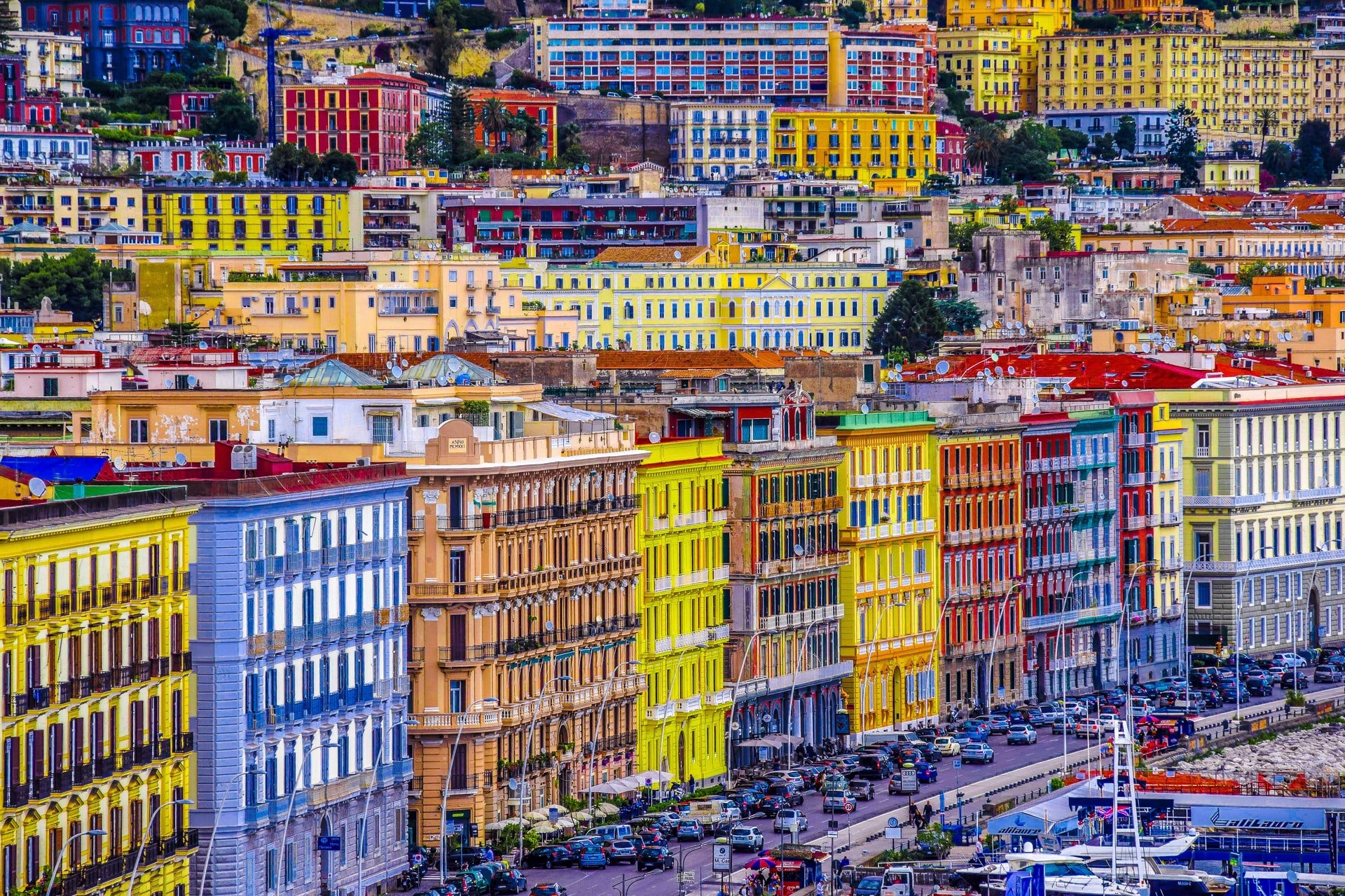 Top 22 Attractions in Naples
 Amsterdam Nightlife Guide
 A Guide to Naples Catacombs
 The Florence Travel Guide
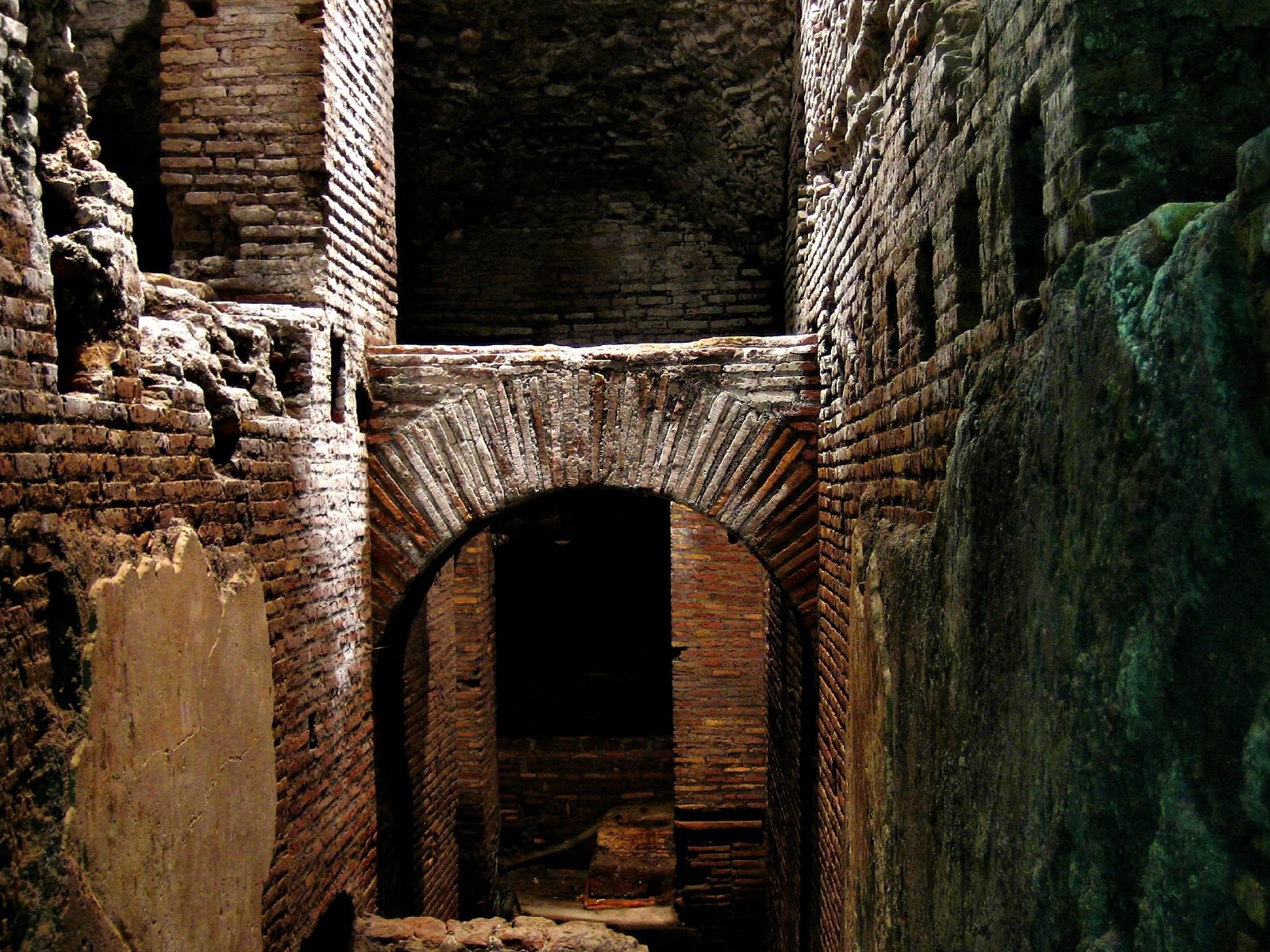 A Guide to Underground Rome
 How to Plan the Perfect City Break in Athens
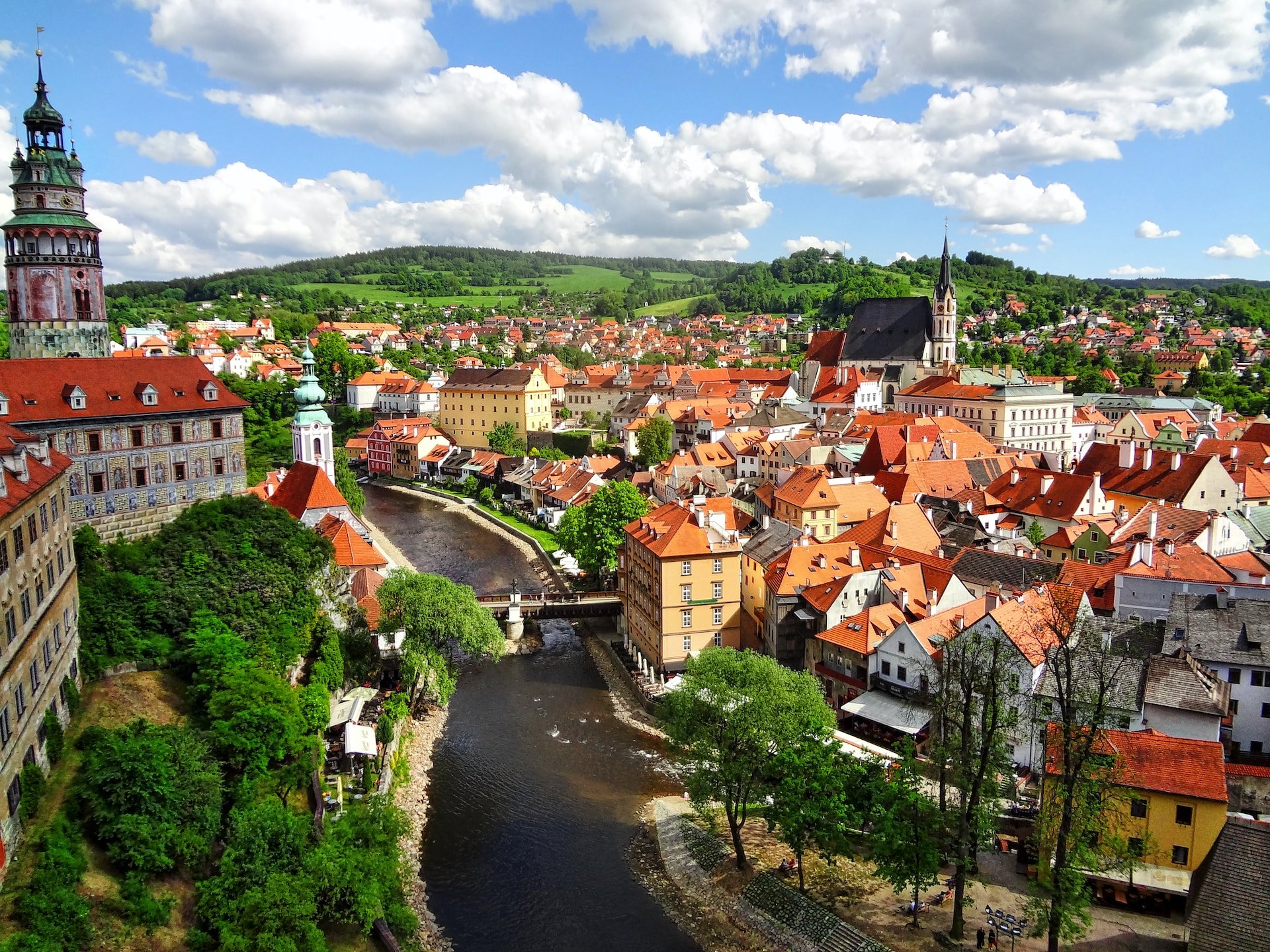 The Prague Travel Guide
 The Vienna Travel Guide
 The Most Haunted Places in America
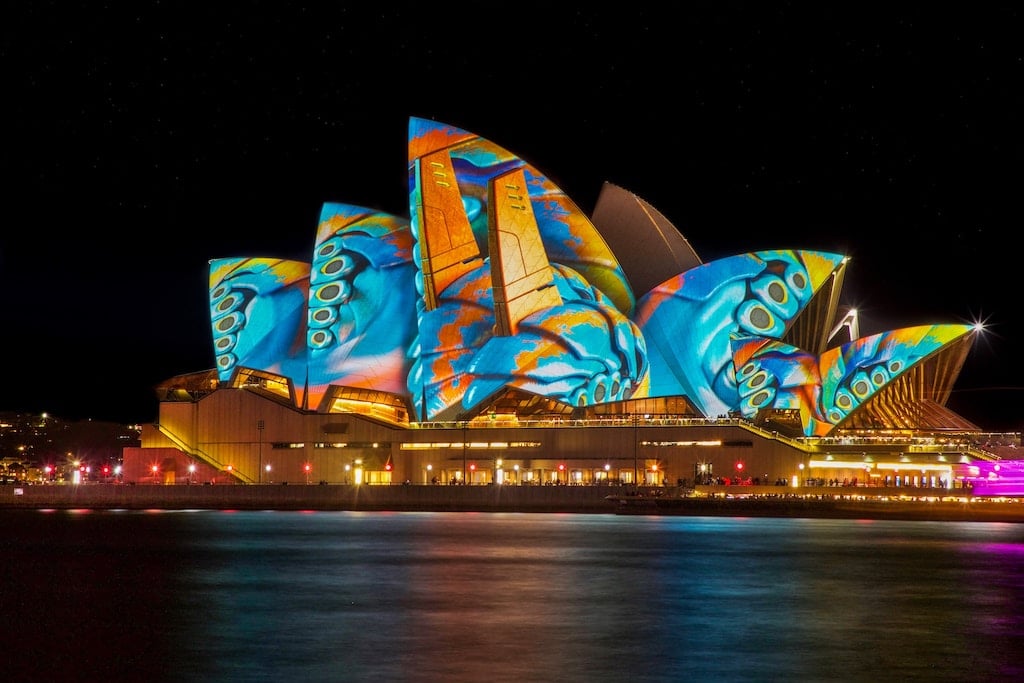 A Guide to Iconic Sydney Landmarks
 Orlando Travel Guide
 The Top 10 Landmarks in Vancouver
 16 Hidden Gems in Los Angeles
 Top 10 Historical Sites in the US You Should Visit
 Las Vegas Travel Guide
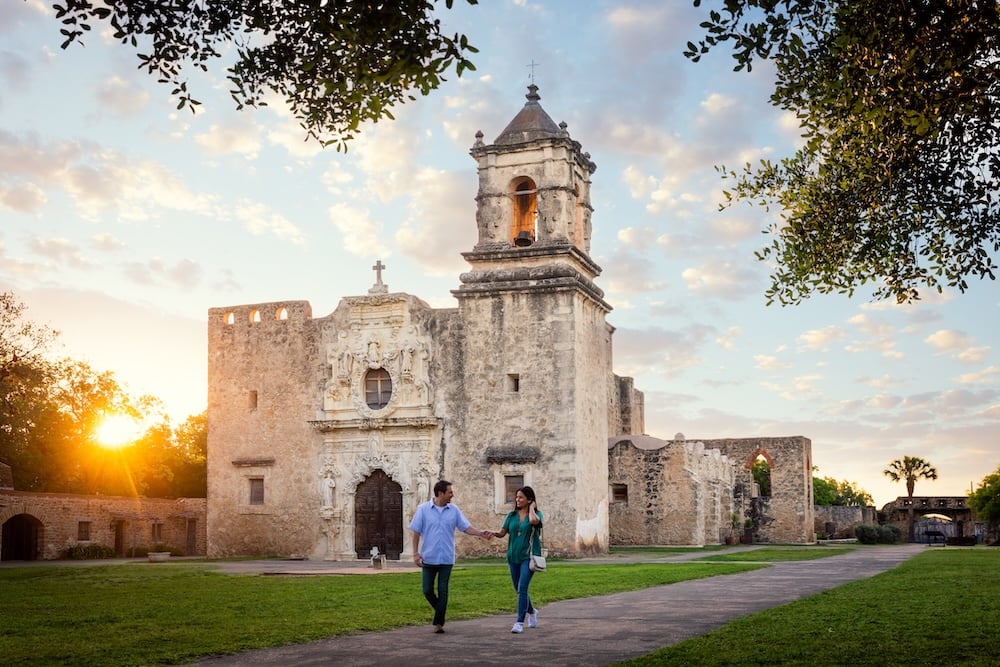 The Ultimate San Antonio Visitors Guide
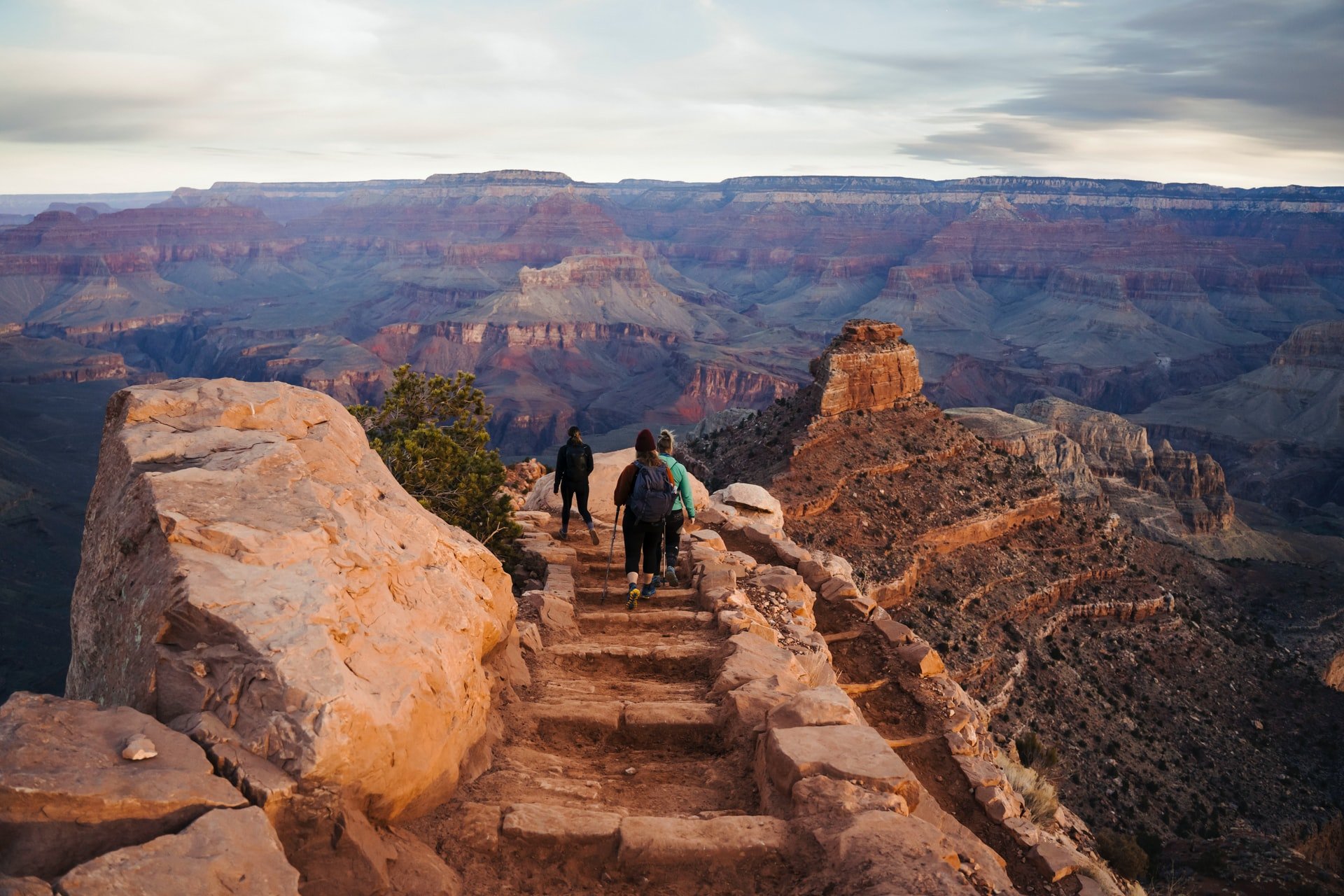 USA Bucket List: 37 Iconic Experiences and Hidden Gems
 15 Landmarks in Singapore You Shouldn’t Miss
 7 of The Best Desert Safari Experiences in Dubai
 What to Eat in Kyoto
 An Ultimate Dubai Travel Guide
 6 Wanderlust-Worthy Short Trips From Singapore
 The Best Weather in Europe in March: Travel Guide
 The Top 10 Cities in France
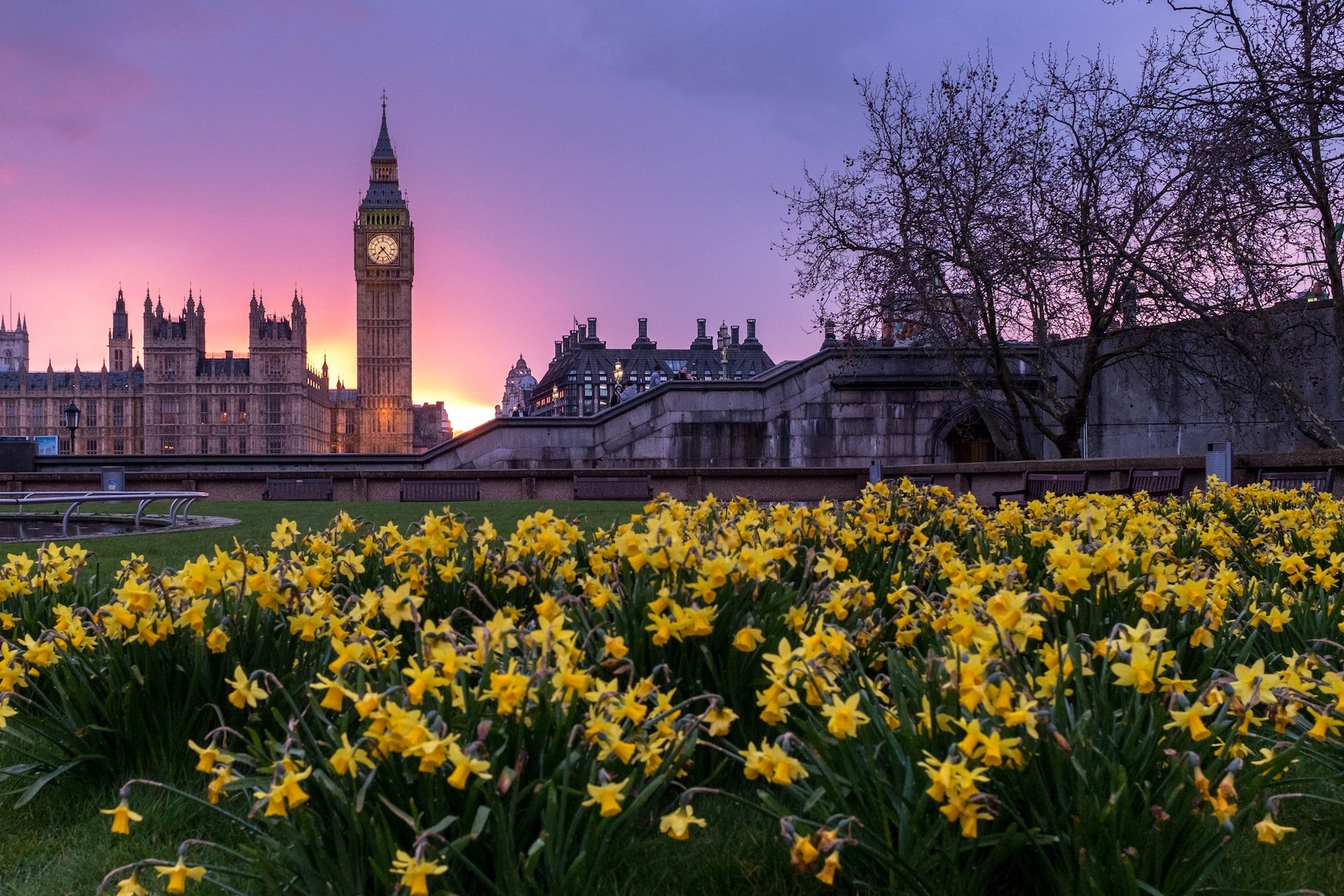 The Ultimate Guide to Spending Easter in the UK
 34 Ireland & UK Bucket List Ideas
 A Guide To The Best Theme Parks in Italy
 12 Most Famous Museums in Spain
 An Ultimate Spain Bucket List Guide
 Netherlands Bucket List Travel Guide
 Easter in Europe: Easter Holiday Destinations & Traditions
 An Ultimate Italy Bucket List Guide
 How Long to Spend at MoMA
 Best Time to Visit The Louvre and Tips
 Dalí Theatre-Museum: All You Need to Know
 The Best Interactive Museums Around the World
 The Menil Collection: An Insider's Guide
 The Best Natural History Museums in the World
 A Full Guide To Rijksmuseum Highlights
 The 15 Best Art Museums in NYC
 Top 9 Things to See at The Louvre
 The Ultimate Uffizi Gallery Guide
 The Best Time to Visit Palace of Versailles
 All About Visiting Top of the Rock New York
 Visiting Pompeii: Your Ultimate Guide
 Casa Milà (La Pedrera): A Guide to Gaudí’s Work in Barcelona
 An Insider's Guide to visiting the Blue Lagoon
 How to get the best views of the Grand Canyon
 Inside the Sagrada Família in Barcelona
 Top 10 Reasons To Visit The Shard
 The Doge's Palace in Venice: History, Art & Casanova's Escape
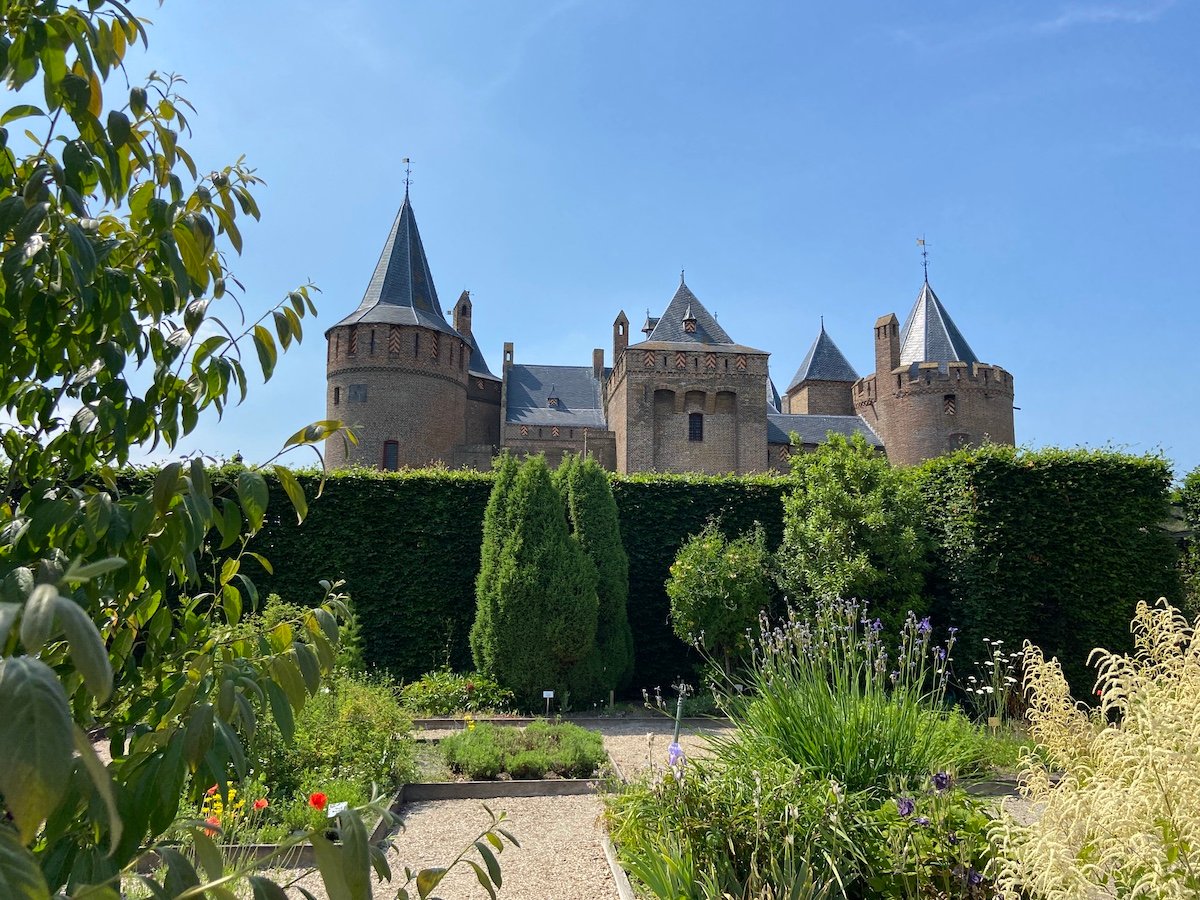 Muiderslot Castle: Discover Amsterdam’s Medieval Marvel
 The Perfect Buckingham Palace Visit: An Ultimate Guide
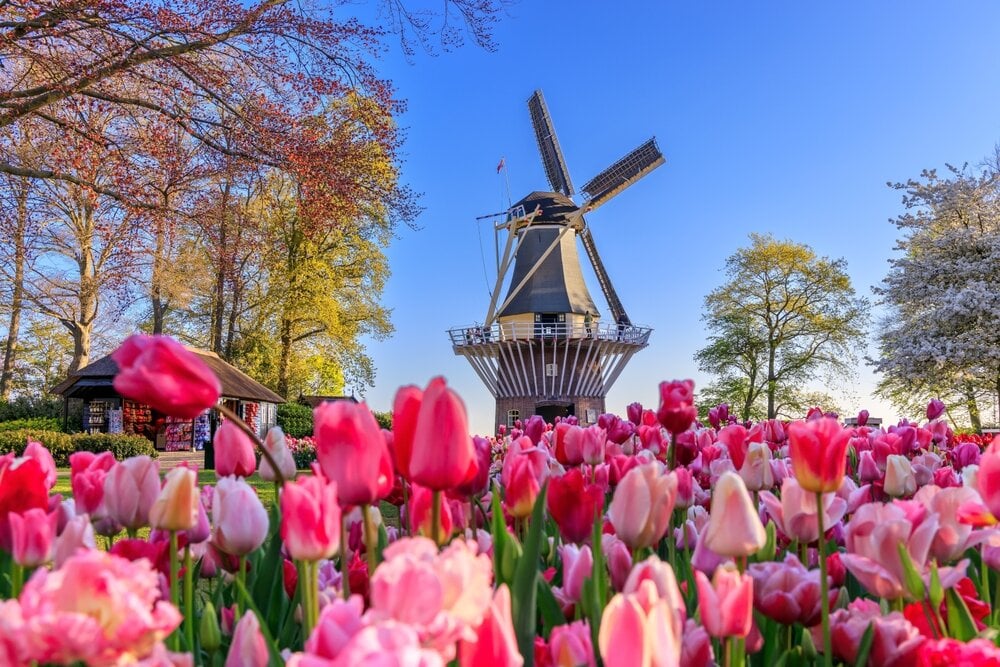 The Best Time to Visit Keukenhof Gardens
 The Best Aquariums in the World
 Visiting Park Güell Barcelona: Best Time to Visit and Tips
 The Oldest Zoos in the World You Can Visit
 Best Time to Visit Disneyland Paris
 Gardaland Resort Italy: A Complete Guide
 The Best Water Attractions at PortAventura Aquatic Park
 11 Reasons Why Universal Studios Hollywood Is Worth It
Architecture in Barcelona: the Gaudí Essentials


Going to Barcelona and not experiencing Antoni Gaudí’s visually striking creations is like claiming you flew somewhere, but never left the airport terminal. Sure, Barcelona has more than its fair share of things to offer, but the architecture in Barcelona has to be seen to be believed.
The heart and soul of the Catalan capital come alive through Gaudí’s awe-inspiring architecture. If you’re a fan of art or just seeing pretty things, we recommend using this list as a guideline to discover the unforgettable mark Gaudí left on Barcelona.
Sagrada Família
The crown jewel of Gaudí’s architectural footprint in Barcelona and not to be missed. Perhaps the longest ongoing construction project of the modern era, the basilica first broke ground in 1882 and is unlikely to be completed before 2030. Inspired by nature, the Sagrada Família breaks the rules and features only asymmetrical lines and a copious amount of animal figures. After you get over just how remarkable the facade of the church is, make sure you get yourself inside to marvel at its full glory. If you don’t come an hour in advance to wait in line, that’s okay, fast-track and skip-the-line tickets are available.

Casa Batlló
Maybe the most whimsical of Gaudí’s designs, Casa Batlló is a testament to just how insane architectural and interior design can be while still remaining tasteful. From dragons to skeletal structures, this colorful house is eye-popping at every turn and begs for a visit. A fun feature added to the experience is the augmented reality video guide, which lets you see life as it was for Barcelona’s elite at the turn of the 20th century. Much like the Sagrada Família, this is not an attraction where you want to rely on sheer luck to get in without a wait, so book in advance.

Casa Milà
Casa Milà, otherwise known as La Pedrera, is another masterpiece by Gaudí and just a short walk from Casa Batlló. Not only does it house reproductions of early 20th-century living spaces, but inside you will find a comprehensive retrospective of Gaudí’s work. Take note of the impeccably designed interior and its ornate collection of furniture designed by the genius himself. The sandy-colored exterior is reminiscent of a quarry, including swirly chimneys and Gaudí’s signature whimsical lines, which helped redefine what architecture in Barcelona is and can be. Read our interview with Casa Milà Senior Tour Guide Laia Casamitjana to find out more about this Barcelona gem.

Casa Calvet
Casa Calvet is widely regarded as Gaudí’s most conservative work and made to fit into the affluent neighborhood in which it was built. However, the architecture still has quite a few modernista elements to it. Go admire the quiet composure of this building’s facade on your way to the more extravagant Casa Batlló and Casa Milà. The building itself houses apartments and offices, but lunch inside one of its restaurants will give you access to some of its interior.

Casa Vicens
Inspired by neoclassical and oriental styles, Casa Vicens is regarded as Gaudí’s first great work. This former summer home pops with bright and beautiful hues from every angle and transports the visitor to a candy-colored world, no Instagram filter needed. You’ll find the interior to be just as vibrant, with numerous nature-inspired elements like vines and birds. Once inside, enjoy the informative architectural museum and the wonderful views from the rooftop terrace. After your visit, take a stroll towards the nearby Vila de Gràcia neighborhood. In this former village, you’ll discover charming squares, a striking 19th-century clock tower and some great lunch spots.

Park Güell
Not that this world-famous park needs any introduction, but we’ll give one anyway. Park Güell was originally intended as a private housing complex in 1900 with the then-popular layout of an English garden. Not only did Gaudí design this colorful mosaic-filled fantasy, but he also resided here until his death in 1926. It then became a public park and was even declared a UNESCO World Heritage Site in 1984. Full of Kodak moments at every turn, make sure you stop a moment to take in the gorgeous view of Barcelona from the hilltop on which the park is situated. Because of its very limited capacity, it’s neccesary to choose an entry time in advance to avoid long waits when visiting Park Güell.

The Gaudí House Museum
Before leaving Park Güell, consider entering the Gaudí House Museum for an intimate look at the artist’s private life. Until he passed away, Gaudí spent 20 years living in this appropriately flamboyant house. Once you’ve admired the beautifully adorned facade, step inside and take a peek at furniture, houseware and some personal objects, mostly designed by the famed architect himself. In addition to all that, his former home houses various paintings, sculptures and drawings from esteemed colleagues he would often work with. An entrance ticket to Park Güell is not required to visit the house, but we recommend you visit both on the same day because of their more remote location.

Torre Bellesguard
Off the beaten path, but still as decadent as any other Gaudí creation, Torre Bellesguard is worth the effort. One of the things unique to Torre Bellesguard is its abundance of straight lines, rarely seen in Gaudí’s work. This medieval castle-inspired structure incorporates Gothic and Art Nouveau styles, but its core remains very Catalan. Keen eyes will also recognize how it demonstrates the architect’s development leading up to the construction of Sagrada Familia. However, maybe the best feature of Torre Bellesguard is the insane view you’ll get to experience up there. In fact, Bellesguard literally means “beautiful view” in Catalan, so, it’s in the name really.

Colonia Güell
For the more adventurous among us, we recommend venturing to Colonia Güell. This Gaudí must-see is slightly outside the city and requires a train ride to reach it, but don’t let the commute deter you, it’s well worth your while. The church of Gaudí’s crypt contains all of the artist’s known attributes and innovations, so take notice of the building’s architectural easter eggs. One may view Colonia Güell as a prototype of his later masterpiece, Sagrada Família. Whilst the world-famous basilica will complete its construction in the coming years (okay, maybe decades), this small church will be left unfinished, but forever open to curious travelers such as yourself.

Portal Miralles
Our last stop on this architecture in Barcelona tour is the delightful gate designed by Gaudí at the entrance to the private Miralles family estate. It is also the only piece of it left standing and coincidentally the only part of the compound he designed. This wavy wonder is made of steel-reinforced mortar and decorated with trencadís broken tile mosaic. Just beside the gate, you’ll notice a life-size statue of Gaudí, which was installed in 2000 by the sculptor Joaquim Camps. It’s a great chance to pose for a picture with the architect next to one of his masterpieces! The gate is free of charge and only a 5-minute walk from Maria Cristina station on the L3 line.

Looking for more tips for your Barcelona trip? Check out these seven ways to spend a weekend in Barcelona.
