
 Top 15 Landmarks in London
 Best Neighborhoods in Rome
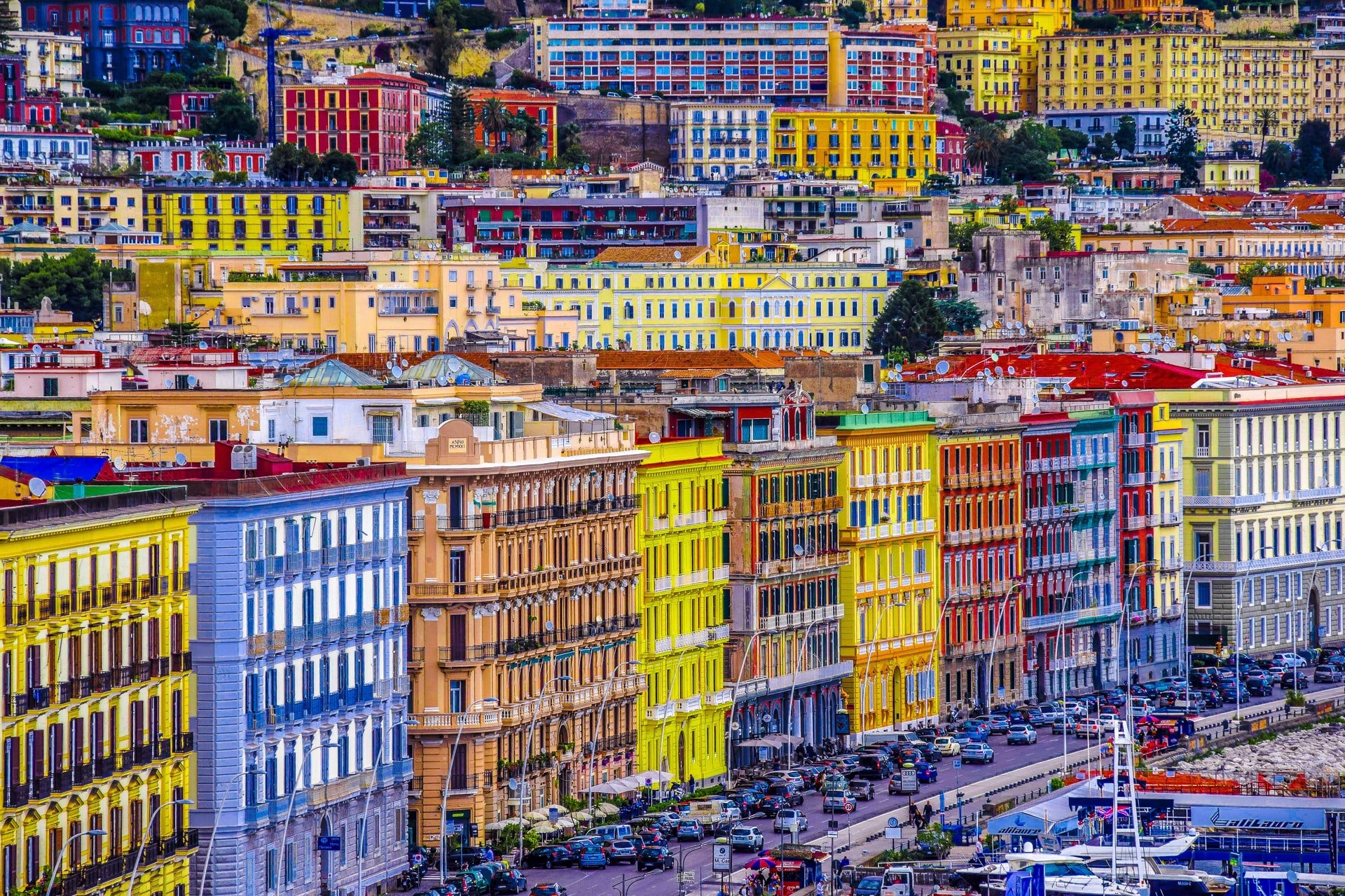 Top 22 Attractions in Naples
 Amsterdam Nightlife Guide
 A Guide to Naples Catacombs
 The Florence Travel Guide
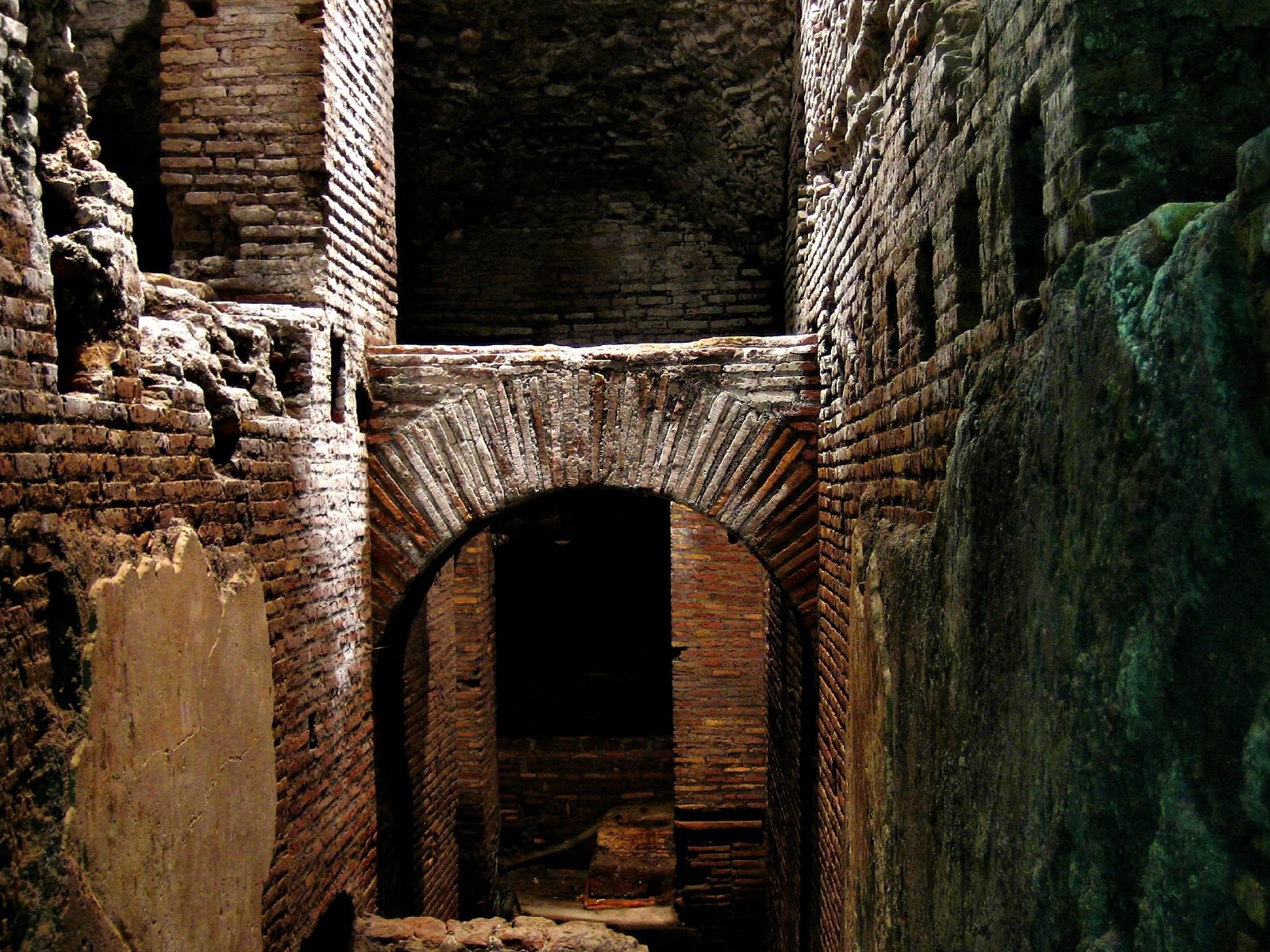 A Guide to Underground Rome
 How to Plan the Perfect City Break in Athens
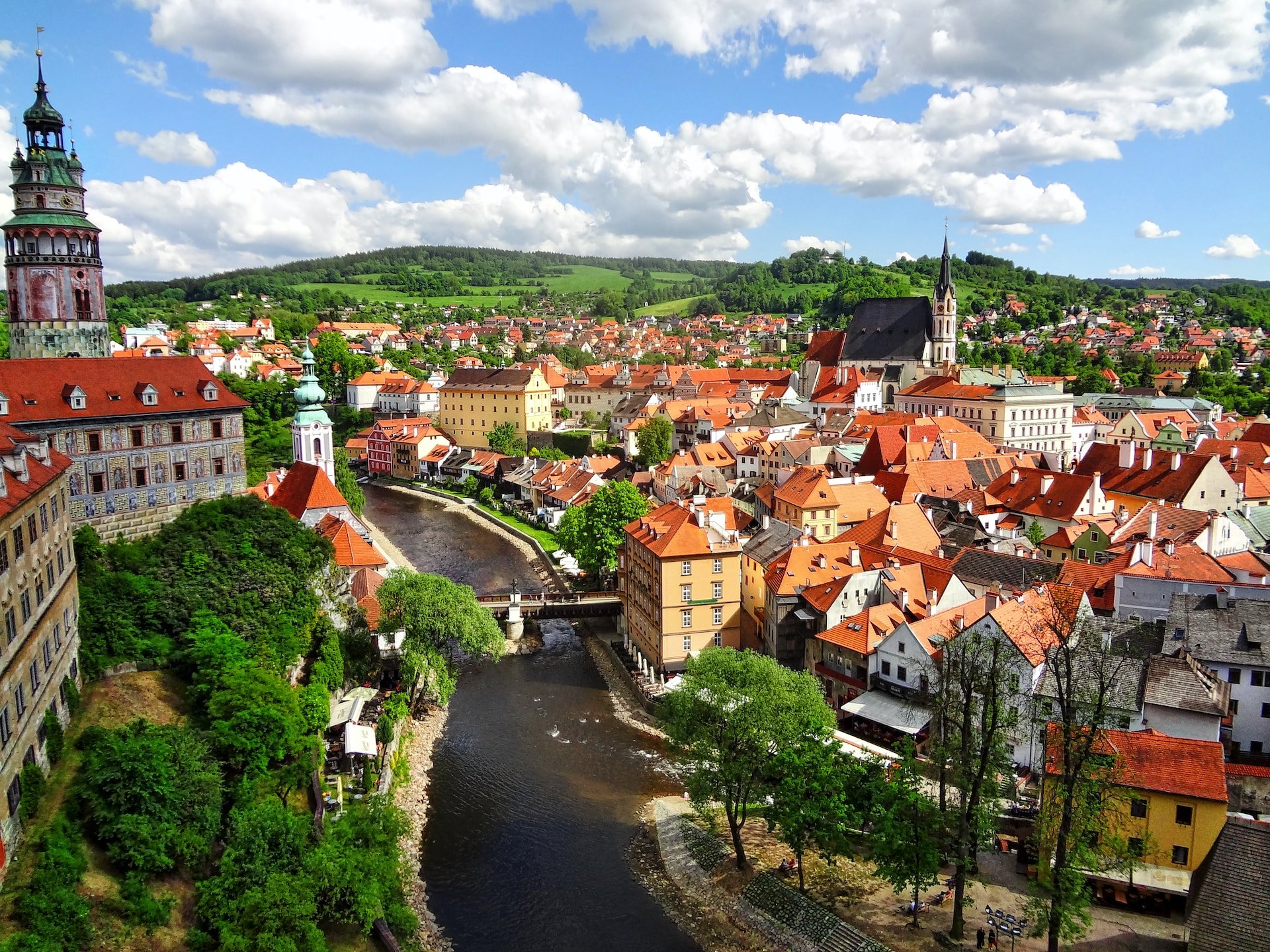 The Prague Travel Guide
 The Vienna Travel Guide
 The Most Haunted Places in America
 A Guide to Iconic Sydney Landmarks
 Orlando Travel Guide
 The Top 10 Landmarks in Vancouver
 16 Hidden Gems in Los Angeles
 Top 10 Historical Sites in the US You Should Visit
 Las Vegas Travel Guide
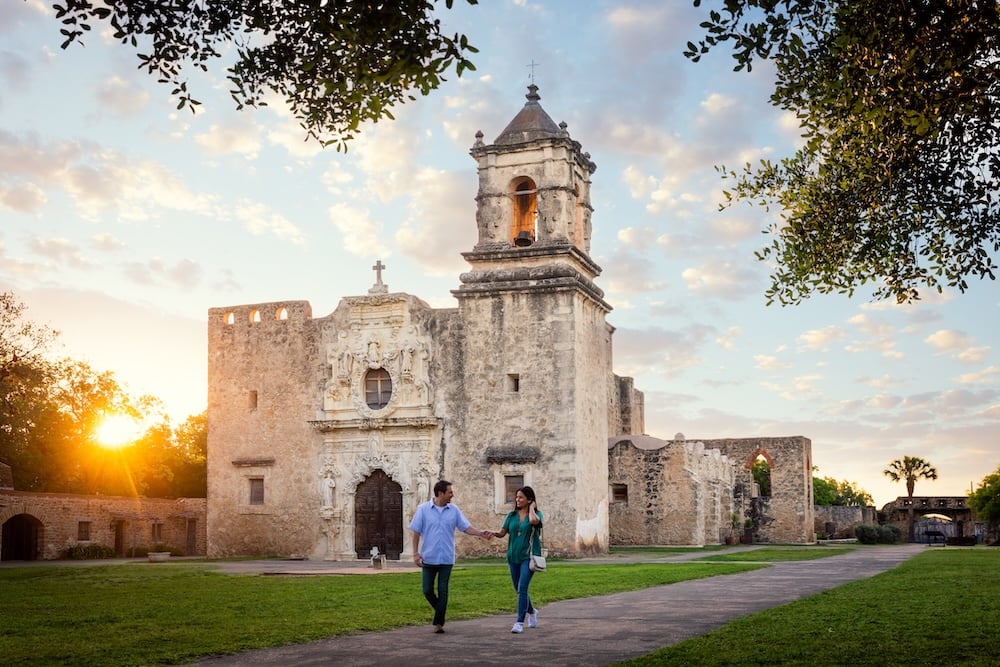 The Ultimate San Antonio Visitors Guide
 USA Bucket List: 37 Iconic Experiences and Hidden Gems
 15 Landmarks in Singapore You Shouldn’t Miss
 7 of The Best Desert Safari Experiences in Dubai
 What to Eat in Kyoto
 An Ultimate Dubai Travel Guide
 6 Wanderlust-Worthy Short Trips From Singapore
 The Best Weather in Europe in March: Travel Guide
 The Top 10 Cities in France
 The Ultimate Guide to Spending Easter in the UK
 34 Ireland & UK Bucket List Ideas
 A Guide To The Best Theme Parks in Italy
 12 Most Famous Museums in Spain
 An Ultimate Spain Bucket List Guide
 Netherlands Bucket List Travel Guide
 Easter in Europe: Easter Holiday Destinations & Traditions
 An Ultimate Italy Bucket List Guide
 How Long to Spend at MoMA
 Best Time to Visit The Louvre and Tips
 Dalí Theatre-Museum: All You Need to Know
 The Best Interactive Museums Around the World
 The Menil Collection: An Insider's Guide
 The Best Natural History Museums in the World
 A Full Guide To Rijksmuseum Highlights
 The 15 Best Art Museums in NYC
 Top 9 Things to See at The Louvre
 The Ultimate Uffizi Gallery Guide
 The Best Time to Visit Palace of Versailles
 All About Visiting Top of the Rock New York
 Visiting Pompeii: Your Ultimate Guide
 Casa Milà (La Pedrera): A Guide to Gaudí’s Work in Barcelona
 An Insider's Guide to visiting the Blue Lagoon
 How to get the best views of the Grand Canyon
 Inside the Sagrada Família in Barcelona
 Top 10 Reasons To Visit The Shard
 The Doge's Palace in Venice: History, Art & Casanova's Escape
 Muiderslot Castle: Discover Amsterdam’s Medieval Marvel
 The Perfect Buckingham Palace Visit: An Ultimate Guide
 The Best Time to Visit Keukenhof Gardens
 The Best Aquariums in the World
 Visiting Park Güell Barcelona: Best Time to Visit and Tips
 The Oldest Zoos in the World You Can Visit
 Best Time to Visit Disneyland Paris
 Gardaland Resort Italy: A Complete Guide
 The Best Water Attractions at PortAventura Aquatic Park
 11 Reasons Why Universal Studios Hollywood Is Worth It
From Dungeons to Dragons: A History of Royal Alcázar Seville

– This post was written by Milly Horsnell –
Seville is a vibrant city that combines tradition, modernity, and a variety of architectural styles. Visitors can enjoy tapas at local taverns, taste authentic Andalusian cuisine (think chilled gazpacho and jamón ibérico), and learn loads about Spain’s southernmost region. Start your itinerary at the UNESCO-listed Royal Alcázar Seville, a treasure trove of history, art, and architectural marvels.
The Royal Alcázar has a long history and is in fact, the oldest royal palace in Europe and is still used by the Spanish royal family today. Its origins can be traced back to the Middle Ages when Muslim authorities built a fortress to protect the city. The Royal Alcázar reflects a mix of Islamic and Christian influences, showcasing Spain’s rich cultural heritage.
When and why was the Royal Alcázar Seville built?
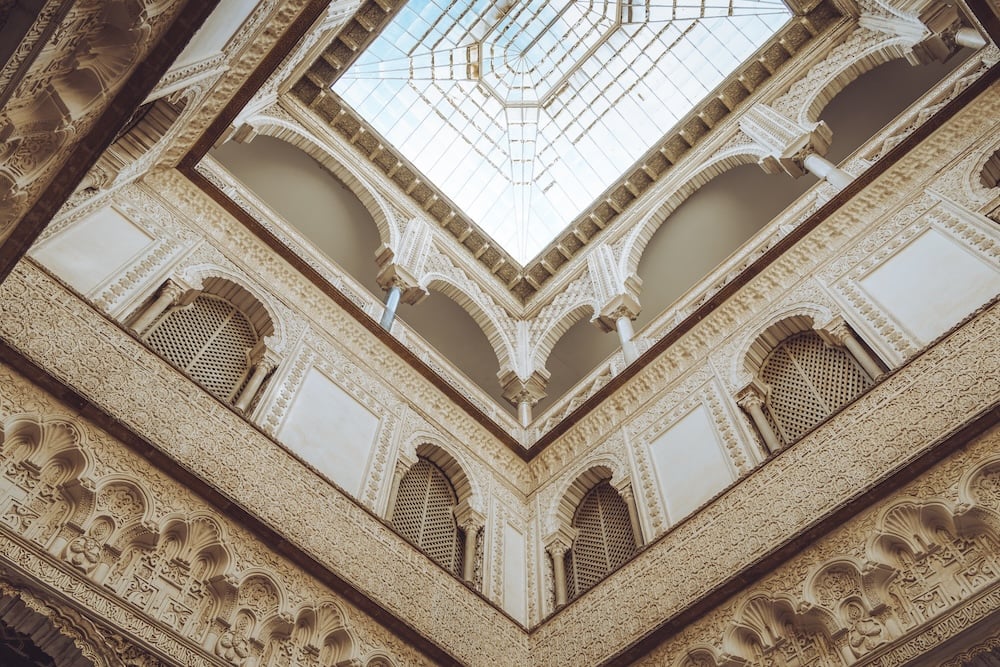
The Royal Alcázar in Seville, Spain can be traced back to the early 10th century when construction began in 913 AD under orders from Caliph Abd al-Rahman III. Initially built as a fortified palace, the Alcázar served as a defensive fortress and opulent residence for the ruling Moorish dynasty of the time. The location and design of the Alcázar speak to its original purpose as a symbol of power and prestige for the royal family.
The Royal Alcázar has played a significant role in history, serving as a seat of authority for both Muslim and Christian rulers. As a result, the architecture also showcases a blend of Islamic and Christian influences, representing cultural exchange and coexistence in Andalusia.
Today, visitors to the Royal Alcázar can explore its halls, chambers, and gardens to see how one of Seville’s most significant structures evolved over time. From the Sala de los Reyes ( Hall of the Kings) to the Patio de las Doncellas (Patio of the Maidens), the Royal Alcázar’s vast history and beauty are captivating to those who visit its hallowed halls.
Fun fact: The word alcázar comes from the Arabic word al-qasr, originating from the Latin word for castle.
Who built the Royal Alcázar of Seville?

Spain’s Royal Alcázar was commissioned to be built by the Umayyad Caliphate, and construction began in 913 AD under the reign of Caliph Abd al-Rahman III, making it one of Spain’s most iconic landmarks.
The initial purpose of building the Royal Alcázar was twofold: to serve as a fortified palace, providing protection against potential invaders, and as a luxurious residence befitting the ruling Moorish dynasty. With its strategic location atop a hill and its imposing design, the Alcázar stood as a symbol of power during the height of Islamic rule in Spain.
King Pedro I of Castile is particularly notable for his extensive renovations in the 14th century, incorporating Mudejar and Gothic elements that enhanced its beauty.
With intricately carved arches and delicate plasterwork reminiscent of lace in the Patio de las Doncellas and lush gardens in the Palacio del Rey Don Pedro, the Royal Alcázar remains a captivating destination for all who explore its halls and gardens.
Insider tip: Book a guided tour to hear all the local tidbits and history of the Royal Alcázar from an expert!
History of the Royal Alcázar Gardens

The Royal Alcázar in Seville features gardens, citrus groves, and water features that provide a peaceful retreat from the city. Dating back to the 10th century, they showcase Islamic and Persian influences, with notable areas like the Patio de las Doncellas and the Mercury Pond, situated at the highest point of the palace.
The gardens underwent a Renaissance makeover after the Christian conquest in the 13th century, fusing Moorish and Christian elements to create lasting landscapes. As the gardens of the Royal Alcázar have such a long history, restoration efforts are being made to make sure they maintain their botanical heritage.
This is only the beginning – for an in-depth dive into the history of the Royal Alcázar, join a guided tour and learn even more about this incredible structure.
Royal Alcázar of Seville and Game of Thrones

As fans of the epic fantasy television series Game of Thrones know, the Royal Alcázar of Seville was used as a backdrop in the fictional world of Westeros.
Visiting this historic palace can make you feel like you are entering a world where dragons exist and noble houses compete for power. In Game of Thrones, the Royal Alcázar was depicted as the Water Gardens of Dorne, the ancestral home of House Martell.
The Alcázar’s gardens and architecture embodied the essence of Dorne, a region known for its beauty and allure. From the brilliant pools of the Patio de las Doncellas to the arches of the Palacio del Rey Don Pedro, the Alcázar was the perfect location to accurately reflect the grandeur of the fictional kingdom.
While this particular history of the Royal Alcázar may be fictional, its appeal is tangible. Whether you’re a devoted fan of the series or just enjoy history and adventure, a visit to the Royal Alcázar provides an opportunity to enter the world of Westeros and enjoy a fantasy realm coming to life.
Insider Tip: Check out the underground baths of Maria de Padilla, where it was rumored King Pedro’s mistress-turned-queen, used to bathe and then walk around naked, causing a stir among court members. For Game of Thrones fans, it was the place meeting of Ellaria Sand and her daughters plotting the murder of Myrcella Lannister. Venture down the stairs near Mercury Pond to experience this mystical space where reality and legend collide.
See the oldest royal palace in Europe with tickets to the Royal Alcázar in sunny Seville. Choose the best time to visit and check out other things to do in Seville!
