
 Top 15 Landmarks in London
 Best Neighborhoods in Rome
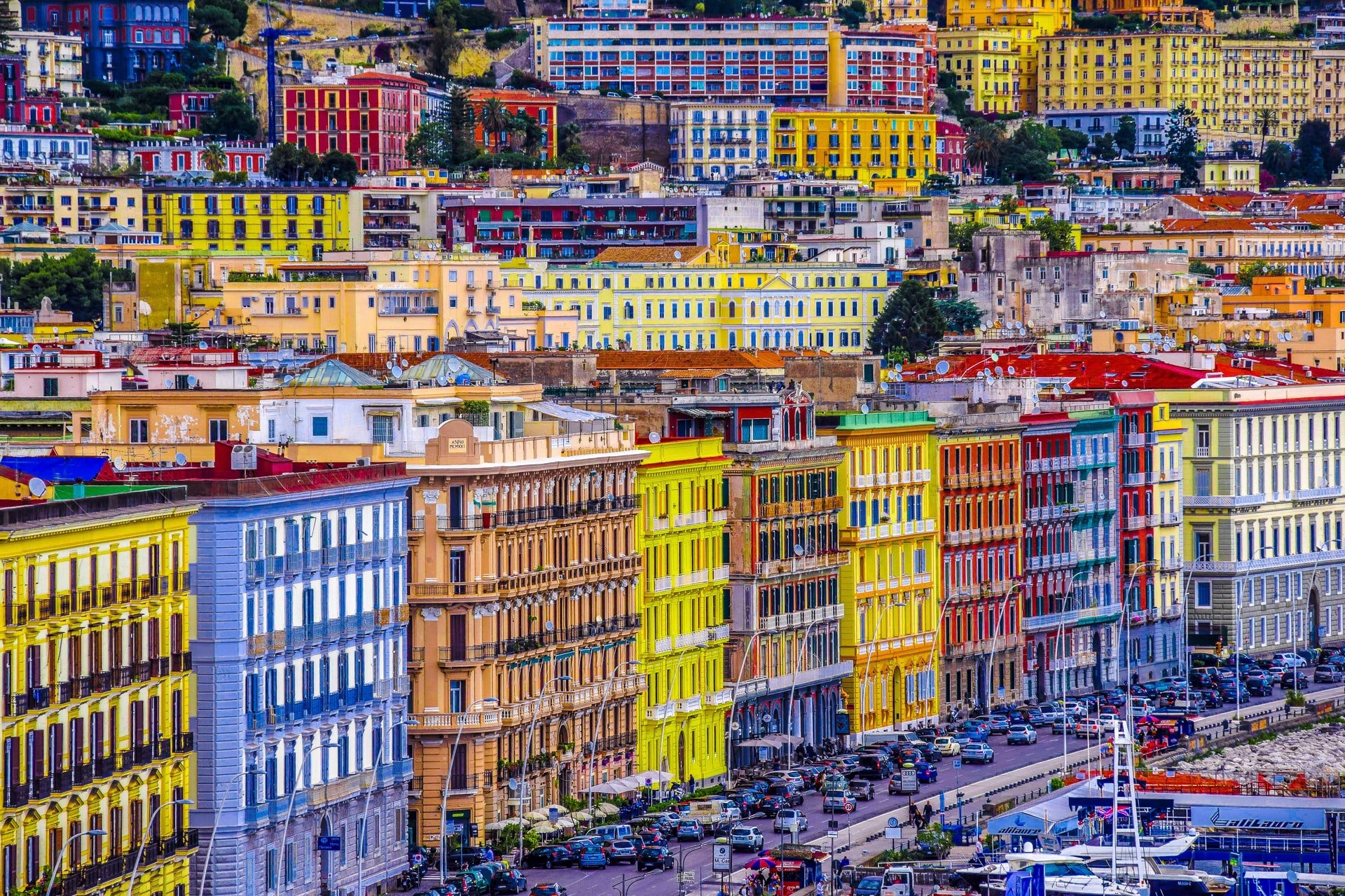 Top 22 Attractions in Naples
 Amsterdam Nightlife Guide
 A Guide to Naples Catacombs
 The Florence Travel Guide
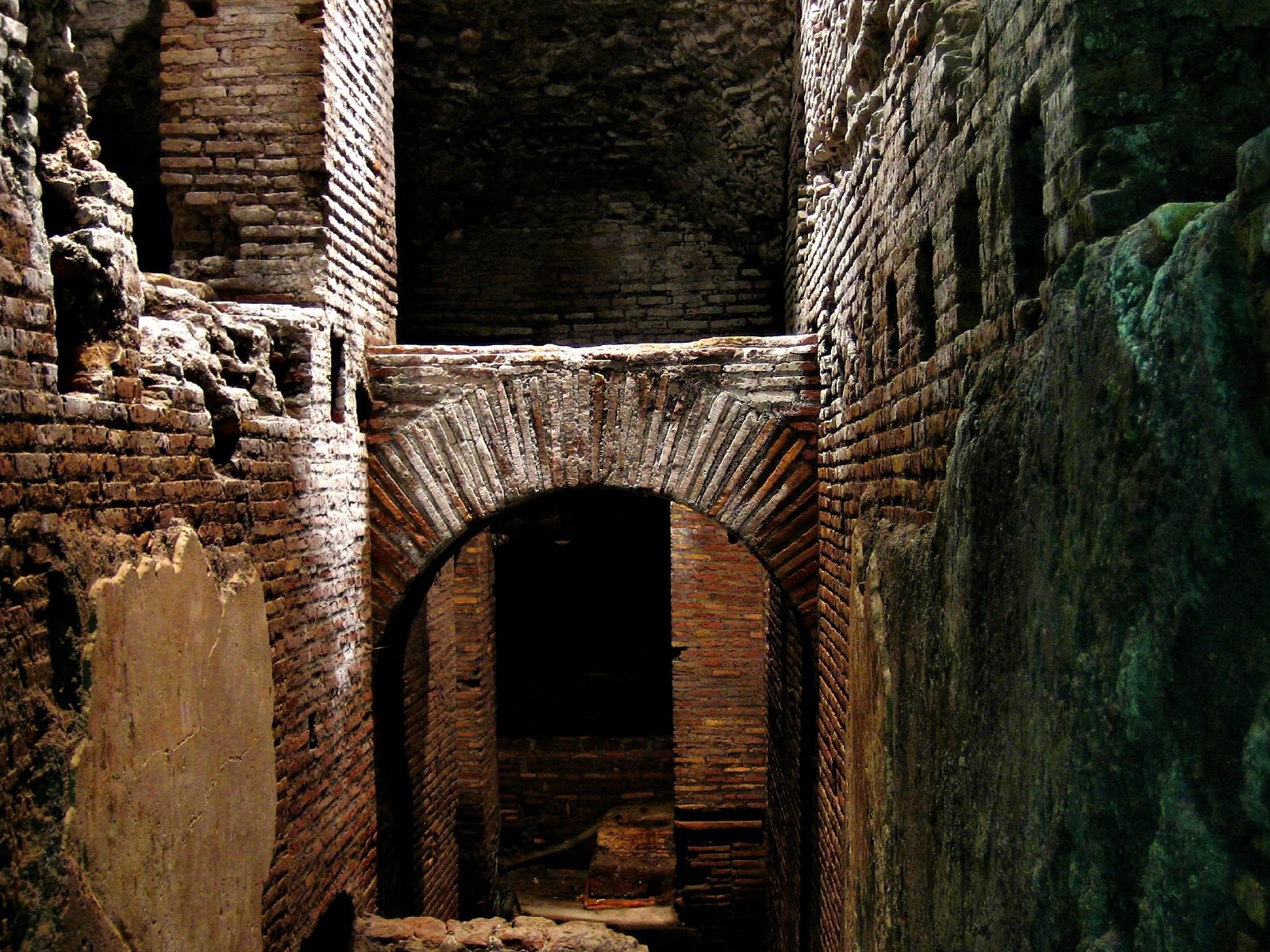 A Guide to Underground Rome
 How to Plan the Perfect City Break in Athens
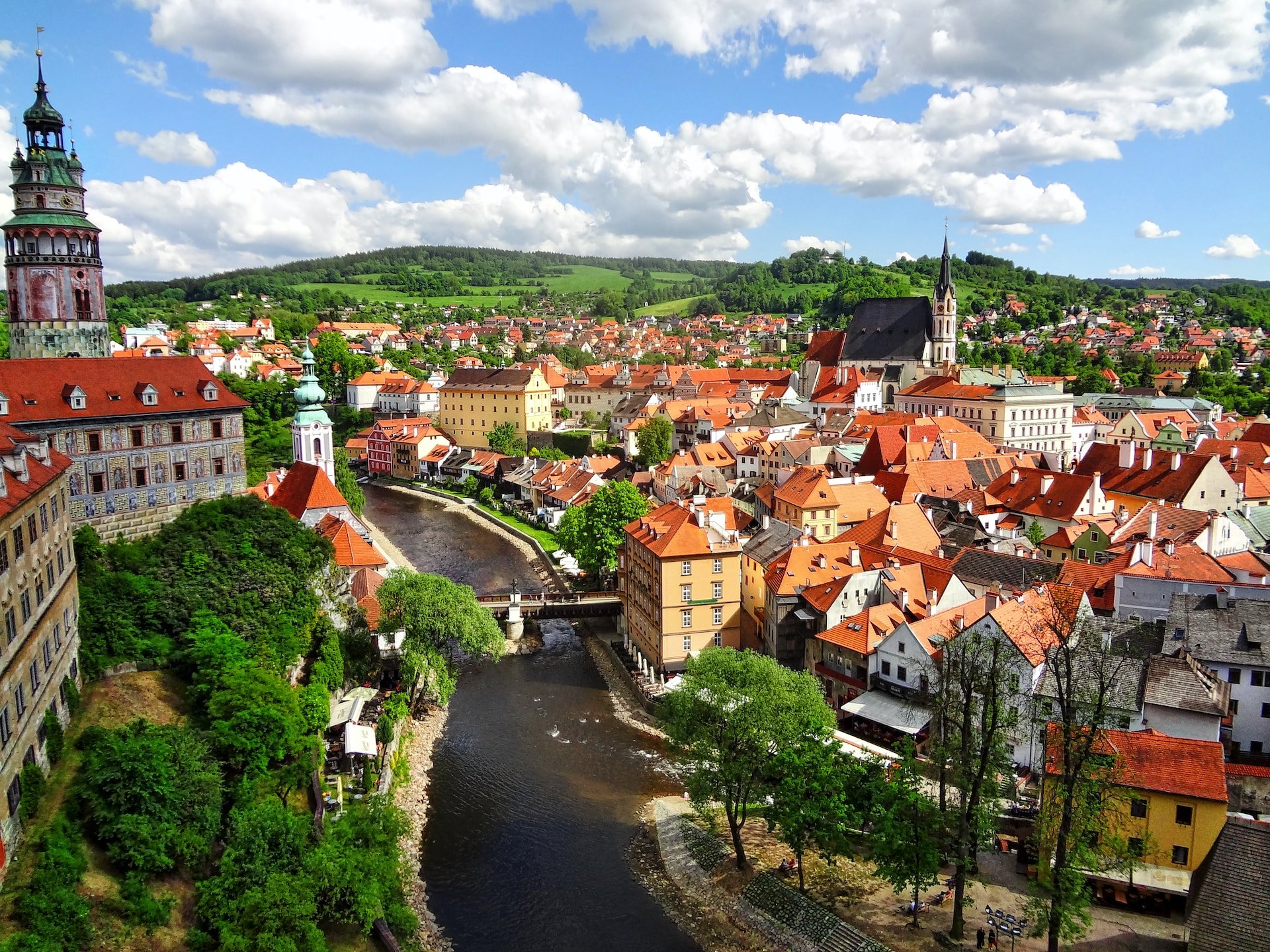 The Prague Travel Guide
 The Vienna Travel Guide
 The Most Haunted Places in America
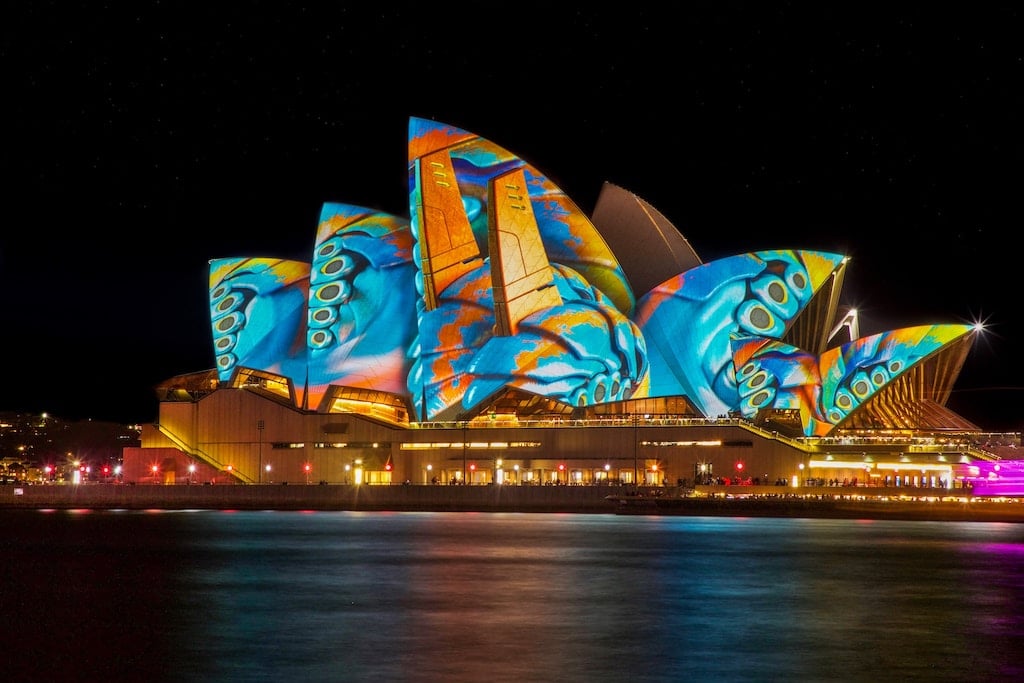 A Guide to Iconic Sydney Landmarks
 Orlando Travel Guide
 The Top 10 Landmarks in Vancouver
 16 Hidden Gems in Los Angeles
 Top 10 Historical Sites in the US You Should Visit
 Las Vegas Travel Guide
 The Ultimate San Antonio Visitors Guide
 USA Bucket List: 37 Iconic Experiences and Hidden Gems
 15 Landmarks in Singapore You Shouldn’t Miss
 7 of The Best Desert Safari Experiences in Dubai
 What to Eat in Kyoto
 An Ultimate Dubai Travel Guide
 6 Wanderlust-Worthy Short Trips From Singapore
 The Best Weather in Europe in March: Travel Guide
 The Top 10 Cities in France
 The Ultimate Guide to Spending Easter in the UK
 34 Ireland & UK Bucket List Ideas
 A Guide To The Best Theme Parks in Italy
 12 Most Famous Museums in Spain
 An Ultimate Spain Bucket List Guide
 Netherlands Bucket List Travel Guide
 Easter in Europe: Easter Holiday Destinations & Traditions
 An Ultimate Italy Bucket List Guide
 How Long to Spend at MoMA
 Best Time to Visit The Louvre and Tips
 Dalí Theatre-Museum: All You Need to Know
 The Best Interactive Museums Around the World
 The Menil Collection: An Insider's Guide
 The Best Natural History Museums in the World
 A Full Guide To Rijksmuseum Highlights
 The 15 Best Art Museums in NYC
 Top 9 Things to See at The Louvre
 The Ultimate Uffizi Gallery Guide
 The Best Time to Visit Palace of Versailles
 All About Visiting Top of the Rock New York
 Visiting Pompeii: Your Ultimate Guide
 Casa Milà (La Pedrera): A Guide to Gaudí’s Work in Barcelona
 An Insider's Guide to visiting the Blue Lagoon
 How to get the best views of the Grand Canyon
 Inside the Sagrada Família in Barcelona
 Top 10 Reasons To Visit The Shard
 The Doge's Palace in Venice: History, Art & Casanova's Escape
 Muiderslot Castle: Discover Amsterdam’s Medieval Marvel
 The Perfect Buckingham Palace Visit: An Ultimate Guide
 The Best Time to Visit Keukenhof Gardens
 The Best Aquariums in the World
 Visiting Park Güell Barcelona: Best Time to Visit and Tips
 The Oldest Zoos in the World You Can Visit
 Best Time to Visit Disneyland Paris
 Gardaland Resort Italy: A Complete Guide
 The Best Water Attractions at PortAventura Aquatic Park
 11 Reasons Why Universal Studios Hollywood Is Worth It
10 Louvre Sculptures and Statues You Shouldn’t Miss


To view all 10,000 of the Louvre sculptures and statues, it would take 336 hours (2 entire weeks!).
The Louvre Museum is no match for unprepared visitors, so it’s important to have an idea of what you want to see before going to the Louvre. From the most famous statues and sculptures at the Louvre to the most unique and surprising, here’s a list of what you shouldn’t miss on your visit.
1. Psyche Revived by Cupid’s Kiss by Canova
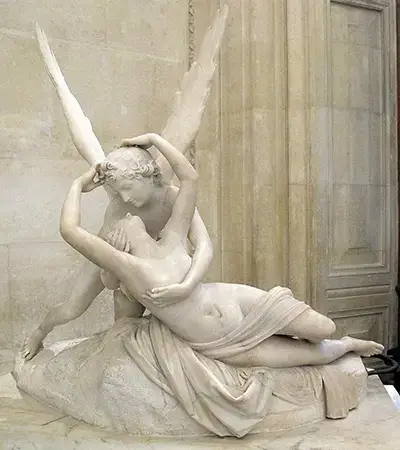
Location: Room 403 (Michelangelo Gallery), Denon wing, Level 0
Oh, to be kissed, revived, and granted immortality! One of the most famous sculptures in the Louvre is Psyche Revived by Cupid’s Kiss.
The sculpture depicts the iconic mythological duo Cupid and Psyche. From the incredible marble work to the loving gaze exchanged between the mythological couple, the statue is certainly one of Canova’s top hits.
If you are interested in seeing some of the Louvre’s most famous art with an art history expert, consider booking a guided tour of the museum’s permanent collection.
2. Sleeping Hermaphrodite by Gian Lorenzo Bernini
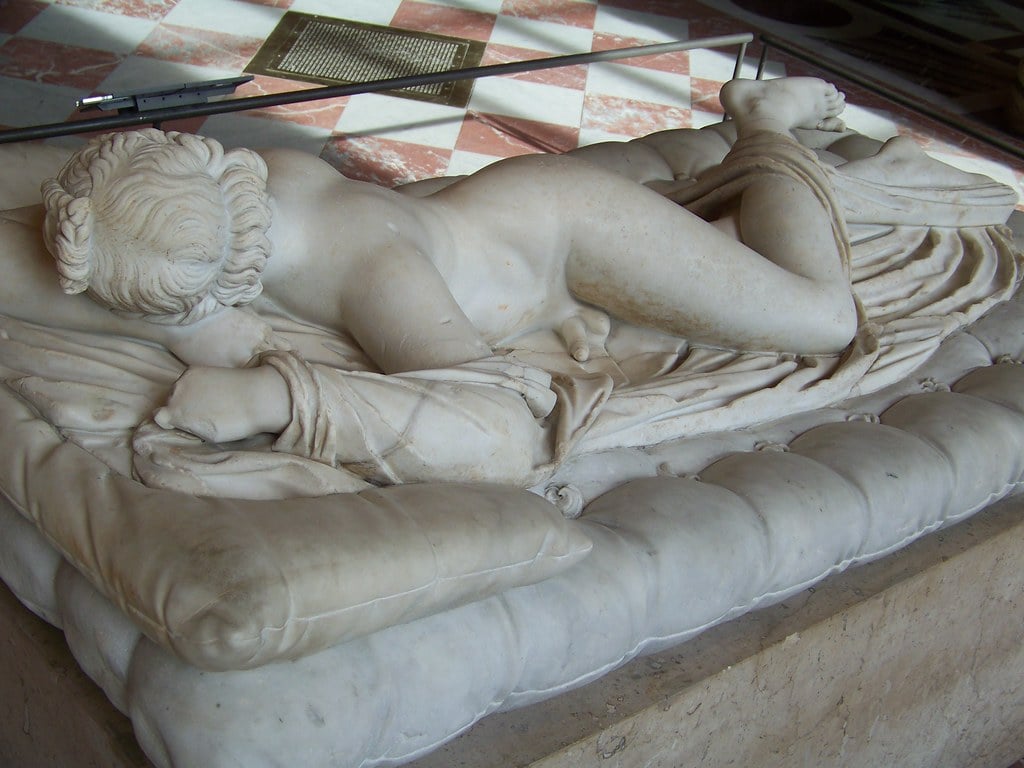
Location: Room 348, Sully wing, Level 0
While you’re on the ground floor, head over to the Sleeping Hermaphrodite. This life-sized, marble sculpture depicts Hermaphrodite, who is the son of Hermes and Aphrodite, and as the name suggests, is intersexed.
The mythological legend recounts how Salmacis, an obsessive goddess, fell in love with Hermaphrodite and begged the gods to let them stay together forever. As a result, the gods fused Salmacis and Hermaphrodite into one.
Besides the interesting myth that the sculpture depicts, the beautifully detailed carving of the Sleeping Hermaphrodite makes it one of the Louvre’s most famous sculptures.
3. Trrou Körrou, unknown

Location: Room 427, Denon wing, Level 0 (Pavillon des Sessions)
The Trrou Körrou sculpture, which translates to “the one who stands in front of you and looks at you” is also known as “The Blue Man.”
The sculpture, carved on wood, originates from an Oceanic indigenous area – Malo Island in Vanuatu. With this masterpiece’s striking blue pigment and sharp features, you’ll be tempted to engage in a staring contest.
4. Saint Mary Magdalene by Gregor Erhart

Location: Room 169, Denon wing, Level 1
On the first level of the Louvre, the statue Saint Mary Magdalene, with her thin brows and luscious gold hair, waits to greet you.
This painted wooden statue was intended for a church (hint: take a look at her praying hands!). Interestingly, Erhart chose to depict Saint Mary quite profanely, clothed only by her hair, as a way of representing the “repentant sinner.”
Erhart’s controversial representation, however, does not take away from the statue’s beauty – from the well-preserved pink blush on her cheeks and the long, vine-like golden hair to the detailed carving of her chin. This makes Saint Mary Magdalene an important work to visit at the Louvre.
5. Great Sphinx of Tanis, unknown
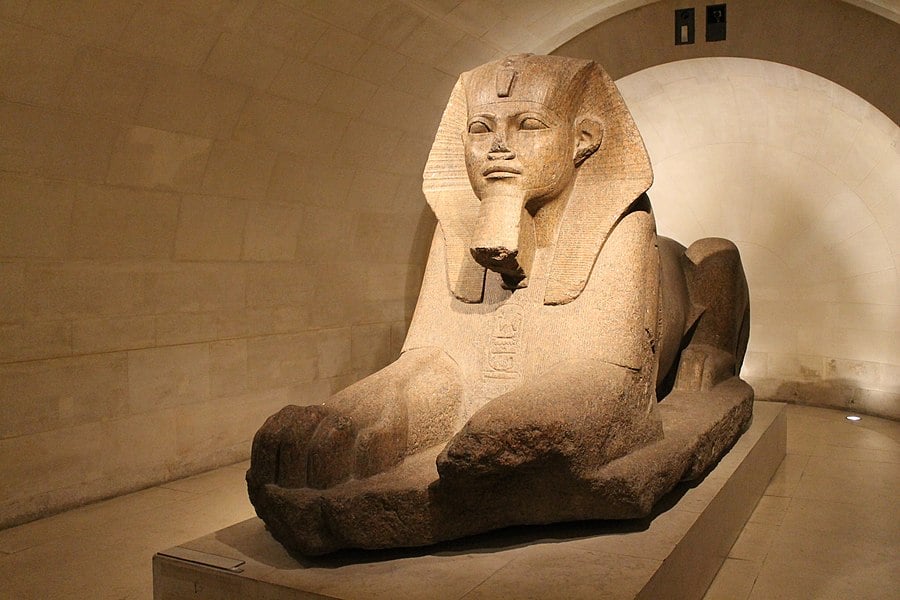
Location: Room 338, Sully Wing, Level 1
The Great Sphinx of Tanis is certainly the most famous Egyptian statue in the Louvre. With the body of a lion and the head of a king, this granite statue marks the entrance of the Louvre’s Egyptian collection.
It is unknown which king the statue depicts, making it one of ancient Egypt’s great mysteries.
There are the names of many kings inscribed on the statue, implying that the original name may have disappeared since the date of its creation, which may date as far back as the Third Intermediate Period in Egypt’s lengthy history.
6. Seated Scribe, unknown

Location: Room 635, Sully wing, Level 1
Amazingly, this painted limestone statue from ancient Egypt’s fourth dynasty still has its reddish pigment intact and is one of the Louvre’s famous sculptures.
Another show-stopping feature is the Seated Scribe’s marble-like eyes, carved from crystal. If you get a little closer, you can see your reflection in his glossy orbs. But don’t distract him – he may lose his train of thought.
The statue, similar to the rest of the Louvre’s Egyptian collection, was excavated by a French archaeologist in a tomb in Saqqara, and circulated among private collectors before finding its permanent home at the Louvre.

7. Jeanne de Bourbon Vendôme, Duchess of Bourbon, unknown

Location: Room 212, Wing Richelieu, Level 0
You might have thought that 16th-century statues were all fun and games – beautiful women and romantic themes – but this sculpture of Jeanne de Bourbon Vendôme is here to prove you wrong.
Her shriveled lips, exposed teeth, worms wriggling from her stomach, and protruding intestines make this piece one of the most surprising, grotesque, and macabre in the Louvre’s sculpture collection.

8. The Three Graces by James Pradier

Location: Room 225, Richelieu Ring, Level 0
She is beauty, she is grace, she is Pradier’s trifecta statue of Zeus’s daughters. Unlike other sculptures of the time, this one does not recount a horrific mythological tale but instead simply depicts the three goddesses prancing around.
A common theme in Western art for thousands of years, these three women have taken many different forms over the years. Usually depicted in the nude, the Three Graces represent beauty ideals for women.
He sculpts, he carves, Pradier scores –The Three Graces have beautifully detailed bodies.
9. The Winged Victory of Samothrace, artist unknown

Location: Room 703, Denon Wing, Level 1
The Winged Victory of Samothrace is one of the Louvre’s most famous sculptures. Commanding the attention of all who enter the Denon Wing, she is perched on the staircase, preparing to take flight.
Found on the Greek island of Samothrace, the statue was likely crafted in celebration of a battle victory, as it depicts the Goddess of victory, Nike (though this theory is not confirmed).
Designed to be viewed from afar, the statue stays true to her title, giving a palpable sense of victory to her grand setting at the Louvre.
If you want to get the most out of your visit, you can book a guided tour of the Louvre’s highlights, which includes The Winged Victory of Samothrace.
10. Monumental head (Moai), artist unknown

Location: Room 429, Denon wing, Level 0
This huge Moai head is only part of a larger statue from Easter Island. Rumor has it that the head probably represented a god or an ancestor, meant to be placed on a stone to watch over sacred sites.
Amazingly, the giant head may only represent 40% of the original statue, meaning the full sculpture would’ve been as tall as 16 feet (5 meters!
Read more about some of the Louvre’s most famous art and go for some food by the Louvre for a break during your visit.